
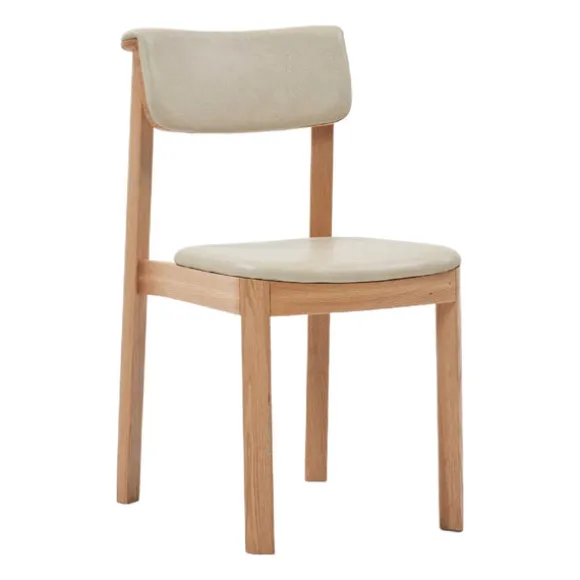
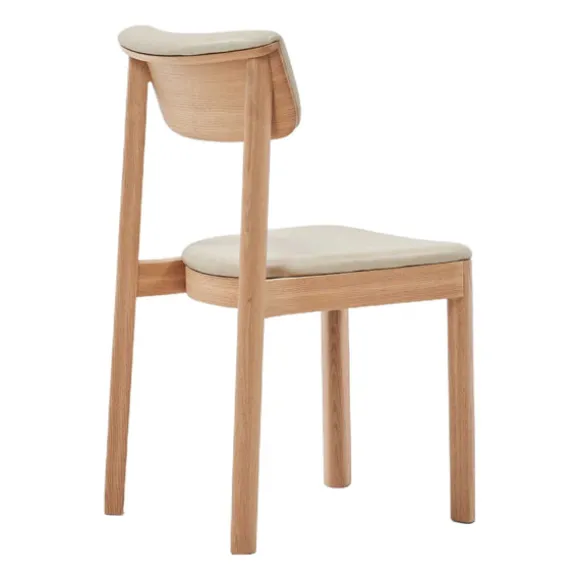
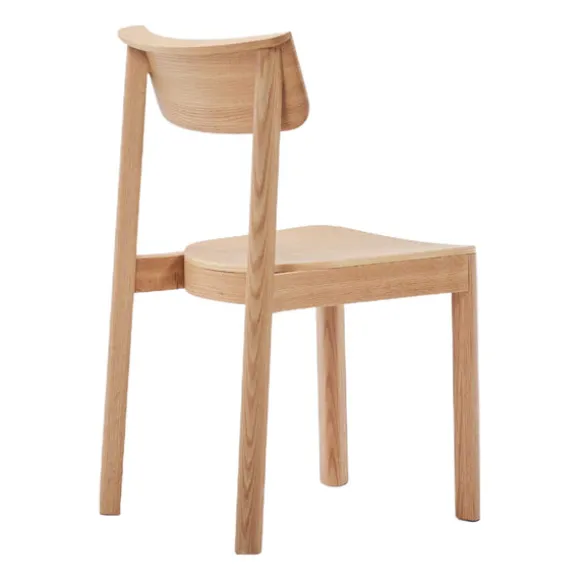
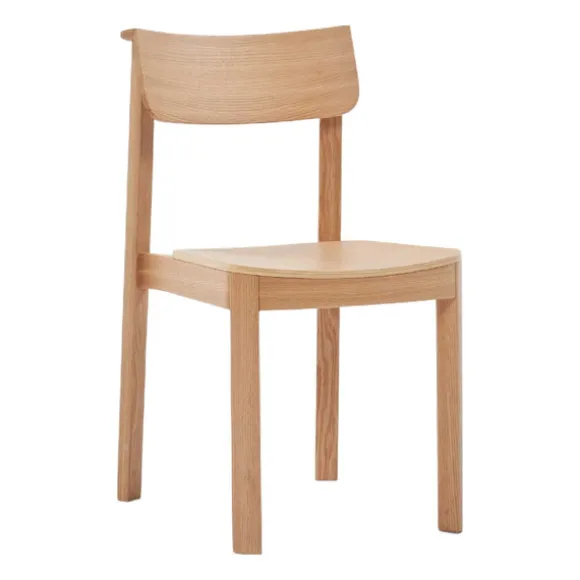
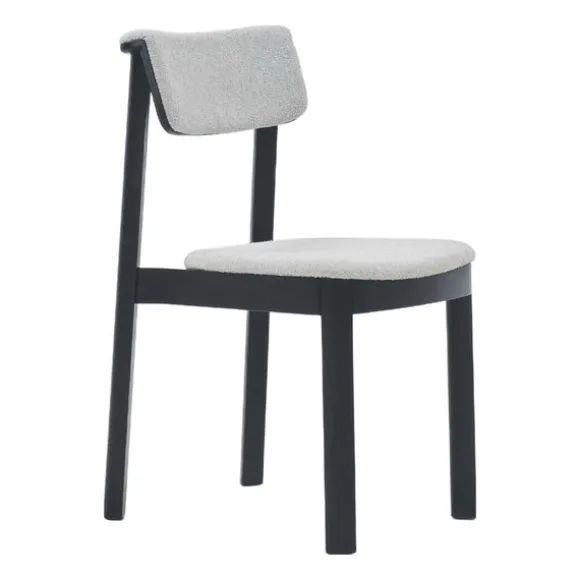
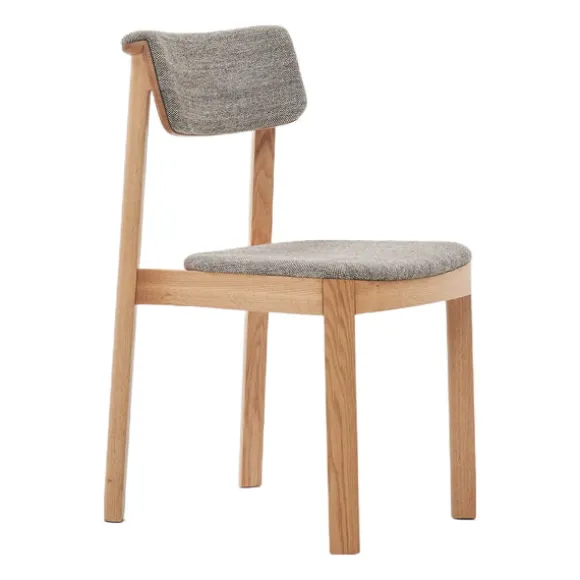
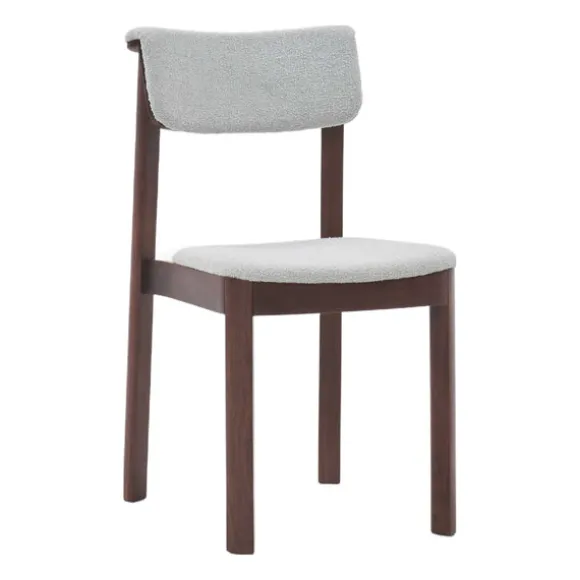
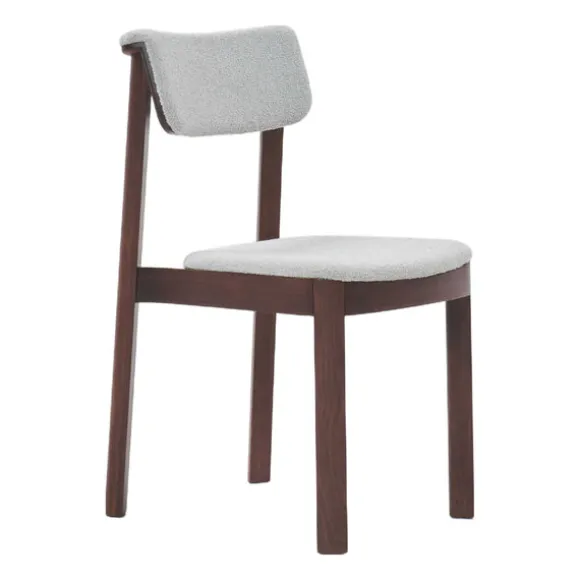
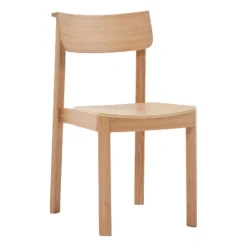
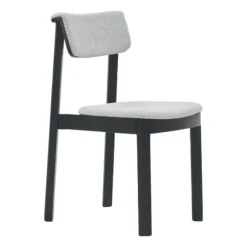
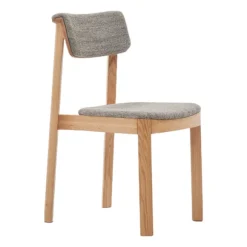
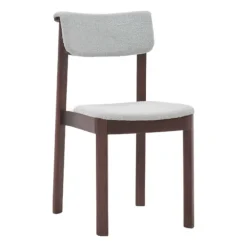
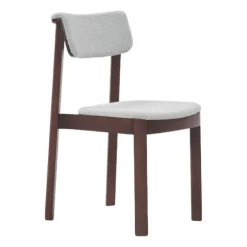
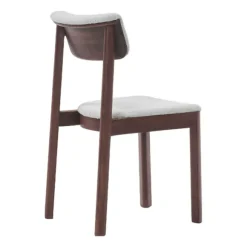
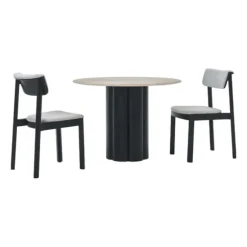
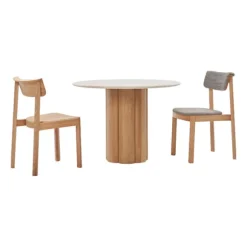
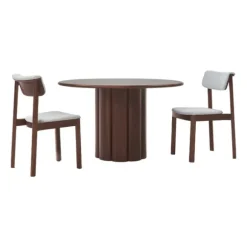
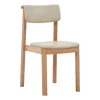
Noki Dining Chair
$196.00
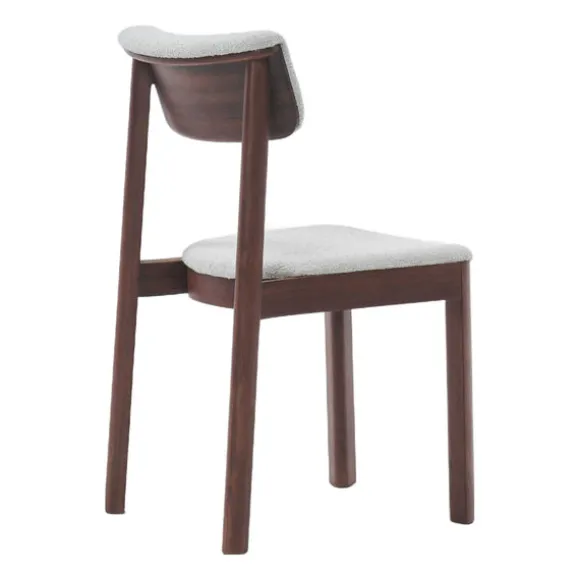
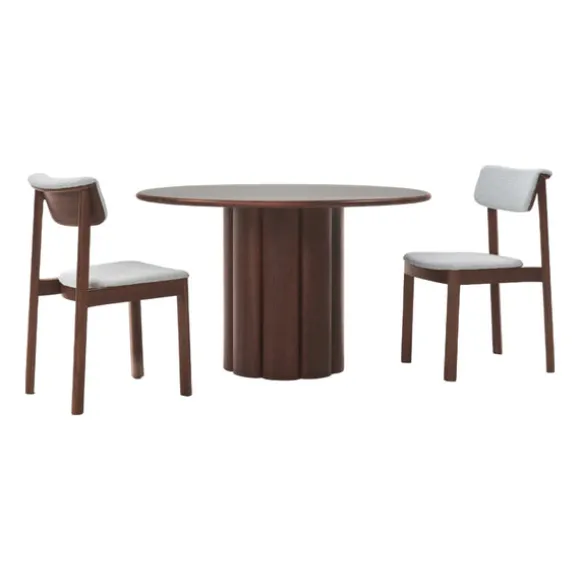
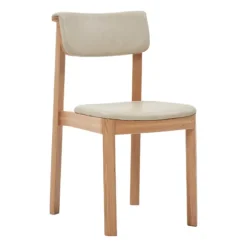
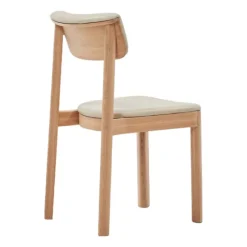
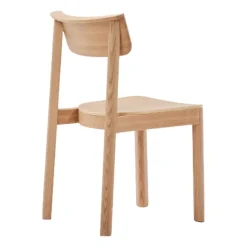
Noki chair draws from both architectural and natural elements in Japan. The shape of the backrest, with a distinctive lip on the top, is reminiscent of the eaves under the roof of rural Japanese houses, a feature known locally as “noki”. The designer Yokozeki wanted the upholstery on the seat and back to resemble snow settled on a bench, or indeed the eaves of the houses in his native Gifu prefecture. These ideas and memories gave life to the form of the chair, while adherence to the strict and precise rules of proportions ensured the correct balance to produce a deceptively minimal, yet beguiling chair. Noki chair draws from both architectural and natural elements in Japan. The shape of the backrest, with a distinctive lip on the top, is reminiscent of the eaves under the roof of rural Japanese houses, a feature known locally as “noki”. The designer Yokozeki wanted the upholstery on the seat and back to resemble snow settled on a bench, or indeed the eaves of the houses in his native Gifu prefecture. These ideas and memories gave life to the form of the chair, while adherence to the strict and precise rules of proportions ensured the correct balance to produce a deceptively minimal, yet beguiling chair.
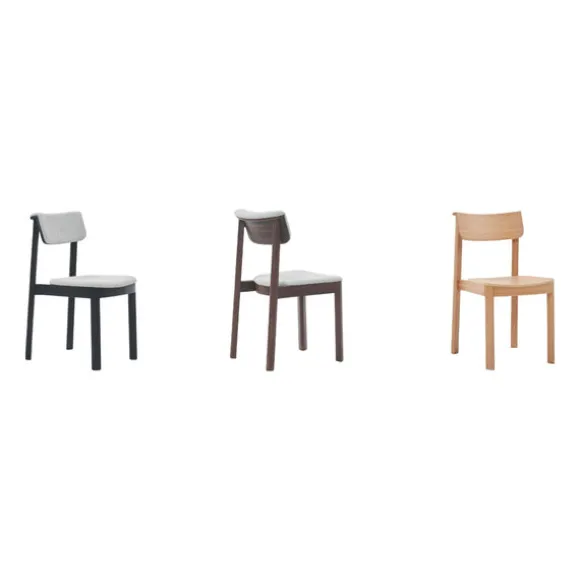
This item is available to be customised in different fabrics and colours, please get in touch with your local showroom for more information.
425 (W) x 520 (D) x 835 (H) mm
FSC Certified Solid oak
PU finish
Plywood
Oak veneer
REACH/OEKO-100 Standards certified
Greenguard Certfified
CARB Phase-2 Certified
Alabama Leather
South American Hide processed in Italy, treated with a protective top coat to prevent spills & scratches
Fleece Fabric
Composition: 45% Recycled Polyester, 30% Wool, 11% Viscose, 9% Acrylic, 5% Polyamid
Martindale: 30,000
West Lake Fabric
Composition: 52% Polyester, 25% Acrylic, 10% Viscose, 7% Linen, 6% Cotton
Martindale: 100,000
Fabrics can have slight variations in colour from dye lot to dye lot. Even though the same dyes are used every time, noticeable colour variations can occur. Temperature, time, and water source all contribute to slight variations between dye lots. The difference can be subtle to very visible. Industry standards allow up to a 6% difference in a colour variation, and variations within this limit are not considered to be a defect.
Leather is a natural product derived from animal hides, meaning each hide is unique. Variations in texture of the leather are not considered a fault, and are inherent to the natural beauty and uniqueness of the leather. As every piece of leather is different, the colour may vary slightly during the tanning process, leading to some inconsistencies in hue and depth. Leather features natural marking such as dents, scars, scratches, wrinkles or blemishes. These characteristics are inherent in natural leather, and are not considered a defect.
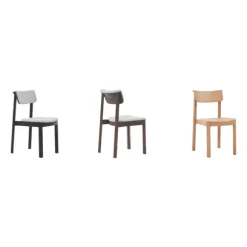
| Colour | Black, Java-West Lake 13, Limestone-Alabama 002, Mortar-Fleece 0016, Light Oak, Walnut |
|---|
Be the first to review “Noki Dining Chair”
Related products
Living Room
Bedroom
Living Room
Living Room
Living Room
Living Room
Living Room
Living Room
Living Room
Coffee Tables
Living Room
Living Room
Living Room
Living Room
Coffee Tables
Reviews
There are no reviews yet.